Showing posts with label Soul. Show all posts

Sunday, November 11, 2018

Faze-O - Riding High (1977)

“Riding High” by Faze-O (1977)

Release Date: November 1977
Produced by Tight Corporation (Clarence Satchell)
Genre: R&B, Soul, Funk
Label: She Records (a subsidiary of Atlantic Records)

Chart Positions: #98 (US), #19 (US R&B)
Certifications: N/A
Awards: N/A

Singles and Chart Positions: “Riding High” #9 (US R&B)
Singles Certifications: N/A
Other Charting Tracks: N/A

Best Tracks: ALL TRACKS: Solid album from start to finish


Trivia: “Riding High” is one of those classics that most people do not know exists, but those that know this album love it.

Dayton, Ohio band Faze-O released their debut album “Riding High” in 1977. They made their mark on the US charts reaching #98 on the US Top 100 albums chart as well as making it to #19 on the R&B albums chart. The lead single “Riding High” got them into the top 10 reaching #9 on the US R&B singles chart. Unfortunately, this success was not duplicated on their next two albums.

The album was produced by Tight Corporation which is actually the funk band Ohio Players lead by the production talents of Clarence Satchell.

Several of the songs on the album have a similar sound to Ohio Players’ signature sound such as “Funky Reputation,” “Toejam” and “Get Some Booty.”

"Riding High (1977)


The following is a user review I found on AllMusic:

Good ole dirty FUNK played like nobody's business, the album boasts the massive cut "Ridin High" which is their only huge hit and the album cuts Funky Reputation, Toe Jam, Get Some Booty & Test - This Is Faze-O. This album needs no introduction to the FUNK world as it was produced by the biggest FUNK band of the time "Ohio Players" now this is where we get to the reals, all these guys are great musicians in their own right and can throw down the FUNK but deeply listening to the sounds, one who knows their music can point out that they were deep rooted with the band who produced them. FUNK fans it's a must have but for newbies, this is the only one u need and ur good to go.

The following is a short review from Picadilly Records:

Having made an impact on the Billboard charts in 1978 with their most successful single “Riding High”, Faze-O stake their claim as masters of soulful, groovy funk music. Produced by Clarence Satchell of the Ohio Players, the whole album percolates with heavy guitar and a medley of fresh, funky keyboards.

The following is a review found on Funk My Soul:

A spacey soul classic with a sound that never gets old!
Faze-O will be forever remembered for their massive cut “Riding High” a stretched out slow funk jam that has amazing keyboards, floating guitars, and a super-dope groove that’s stayed fresh from the moment it was first set to wax back in 1977! This album’s the group’s first, and best — and it’s a really wonderful record that blends together funky fusion and heavy soul filled with killer cuts arranged by the Ohio Players, and with lots of great keyboards by the group! Includes, of course, the hit “Riding High” — plus “Toe Jam” and “Funky Reputation.

This group was produced by the Ohio Players and this album by these midwest funkers have all the earmarks of an Ohio Players production: deep and heavy drums and fills, funky ass bass, familiar horn lines, burbling keyboards, clavinets, and synths, and funky vocals. The track that gets the most attention from this album is “riding high”, an all time funk bomb! There wasn’t a time back in the late 70’s that you did not hear this cut on the radio or at one of your relatives or friends houses, especially at a late night party. This is a real mid-tempo smooth ride all the way until the end of the song. 2 songs on the album deserve special attention: the throbbing bass/synth funk of “funky reputation”, a blazing funk jam that you just have to blast out of your speakers on a hot saturday afternoon, and also “get some booty”(!) (yes, that is the title of this short,3 minute track! don’t worry, nothin’ nasty, just a fast paced funk frenzy with much emphasis on getting the boo-tay on the dance floor!). Other songs follow in the Ohio Player(s) style, but these 5 guys make a good funky sound all on their own.

The following review is December Decmber 3, 1977 issue of Billboard Magazine:

Five man disco/R&B group debuts on the new She label distributed by Atlantic. The sound is a cross between Slave and The Ohio Players who arranged all seven selections. Synthesizer, percussion, clavinet and guitar spark the instrumentals which range from out and out funk and R&B flavored mid-tempo ballads. Best Cuts: Riding High, Funky Reputation, Toe Jam.

The song “Riding High” is a classic R&B tune that is occasionally heard on the airwaves from time to time. Many consider it to be a Quiet Storm classic.

Faze-O


FAZE-O

Wednesday, September 26, 2018

Rose Royce - Rose Royce II: In Full Bloom (1977)

“Rose Royce II: In Full Bloom” by Rose Royce (1977)

Release Date: July 29, 1977
Produced by Norman Whitfield
Genre: R&B, Soul, Quiet Storm, Disco, Pop, Ballad
Label: Whitfield

Chart Positions: #9 (US), #16 (Canada), #18 (UK), #1 (US R&B)
Certifications: Platinum (US), Gold (UK)
Awards: N/A

Singles and Chart Positions: 
“Do Your Dance” #39 (US), #30 (UK), #66 (Canada), #20 (US Dance)
“It Makes You Feel Like Dancin’” #16 (UK), #20 (US Dance)
“Ooh Boy” #35 (Canada), #46 (UK), #72 (US), #3 (US R&B)
“Wishing On A Star” #1 (France), #3 (UK), #14 (Belgium), #15 (Netherlands), #101 (US), #52 (US R&B)
 Singles Certifications: “Wishin’ On A Star” Silver (UK)
Other Charting Tracks: N/A
Best Tracks: All Tracks – “Wishing On A Star,” “Ooh Boy,” “Do Your Dance,” “Fun Factory”


Trivia: “Rose Royce II: In Full Bloom” is the 1st true studio album by Rose Royce. Their first actual album was the Original Soundtrack album for the film “Car Wash” from which they achieved two major hit singles “Car Wash” and “I Wanna Get Next To You.” “In Full Bloom,” though it did not have any major hits in the US was a bigger hit than “Car Wash” in the US and was certified Platinum by the RIAA. This was their only platinum in the US.

The album is solid and is full of dance and quiet storm hits. “Ooh Boy” one of the albums rhythmic ballads gives us a Michael Jackson sort of feel.

“You’re My World, Girl” not released as a single is very similar to “I Wanna Get Next To You.” Most of the songs on the album feature the lead vocals of the incomparable Gwen Dickey but “You’re My World, Girl” features the vocals of Kenny Copeland as does “I Wanna Get Next To You.

“Do Your Dance” and “It Makes You Feel Like Dancin’” both follow in the same vein as “Car Wash” both made it to #20 on the US Dance/Disco charts. “Do Your Dance” made it to US #39, becoming Rose Royce’s 3rd US top 40 hit out of four total.

The album highlight “Wishing On A Star” ironically was not a hit in the US. It only made it to #101 on the US singles chart and #52 on the US R&B chart. As time has gone by the song though has become a classic in the US. In other parts of the world, the song was a huge hit reaching #1 in France and #3 in the UK. The song was certified Silver in the UK.

"Wishing on a Star" was written by former Undisputed Truth member Billie Rae Calvin. The song was covered by several artists and was finally a hit in the US in 1992 by the Cover Girls but it is the original version by Rose Royce that is now most recognized in the US and around the world.

Wishing On A Star (1977)


ROSE ROYCE

Sunday, August 26, 2018

Barry White - Can't Get Enough (1974)

“Can’t Get Enough” by Barry White (1974)

Release Date: August 6, 1974
Produced by Barry White
Genre: R&B, Disco, Soul, Pop, Quiet Storm
Label: 20th Century

Chart Positions: #1 (US, Italy), #2 (Canada, France), #4 (UK, Austria), #5 (Germany), #9 (Norway), #28 (Australia), #1 (US R&B)
Certifications: Gold (US, UK)
Awards: N/A

Singles and Chart Positions:
“Can’t Get Enough Of Your Love Babe” #1 (US), #2 (Canada, France), #3 (Italy), #8 (UK),  #12 (Netherlands, South Africa), #13 (Belgium), #23 (Australia), #25 (Germany), #1 (US R&B), #26 (US Adult Contemporary)
“You’re The First, The Last, My Everything” #1 (UK, Italy), #2 (US, South Africa), #3 (Brazil), #4 (France), #5 (Canada), #6 (Ireland, Belgium), #7 (Australia, Austria, Switzerland), #9 (Germany), #13 (Netherlands), #1 (US R&B), #2 (US Dance)
 Singles Certifications: “Can’t Get Enough Of Your Love Babe”  (US Gold), “You’re The First, The Last, My Everything”  (US Gold, UK Silver)
Other Charting Tracks: N/A
Best Tracks: All Tracks – Solid Album from start to finish


“Can’t Get Enough” is Barry White’s third album and his first to crack the top five in the US and in many other parts of the world. This was Barry’s breakout, the one that launched him to worldwide superstardom.

The album topped the R&B albums chart, his third to do so. It also topped the US Billboard 200 and peaked at #4 on the UK Albums Chart as well as #1 in Italy and #2 in Canada and France.

Barry White wrote all the songs on the album as well as producing, arranging and engineering the album. White was a super talent well worth the recognition he received throughout the 70s and into the 90s.

Despite featuring two of his biggest career hits the album is a solid work with every song worthy of having been a single release.

“Can’t Get Enough Of Your Love, Babe” was released as the first single from his album Can't Get Enough in 1974, the song topped the U.S. Billboard Hot 100 and R&B charts and was a big hit throughout much of Europe. It was his second U.S. chart-topper, after "Love's Theme". The song is a pop-soul track with lush string arrangements and a disco-influenced beat behind it.

Barry White fell in love in 1973 with Glodean James, who was one of the members of his Love Unlimited backing trio of singers. He wrote, “Can’t Get Enough Of Your Love Babe” for her one night when he had troubles falling asleep. Barry and Glodean married in October 1974 and for a time were one of the best-known couples in showbiz. The pair separated in 1988 but never divorced and remained good friends for the remainder of White's life.

“You’re The First, The Last, My Everything” has gone on to become Barry’s biggest career hit and was the second single from the album. The song was White's fourth top ten hit on the US Billboard Hot 100 singles chart, reaching #2; it spent a week at #1 on the Billboard Hot Soul Singles chart. The early disco classic made it to number two on the disco/dance charts. In the UK Singles Chart, it fared even better, spending two weeks at the top in December 1974. It was also #1 in Italy, #2 in South Africa, #3 in Brazil, #4 in France and #5 in Canada and reached the Top 20 in another dozen countries around the world.

"You're The First, The Last, My Everything" (1974)

White's friend Peter Radcliffe started writing this as a Country song called "You're My First, You're My Last, My In-Between," but he couldn't get it recorded for 21 years. White recorded this as a Disco song, keeping most of the structure and two-thirds the title, but he rewrote the lyrics.

The album was a big winner at the 1974 NAACP Awards, which were presented in January 1975. White won Album of the Year ("Can't Get Enough), Male Vocalist of the Year and Producer of the Year. He attended the awards ceremony with his (then) wife Glodean.

The following review appeared in the July 20, 1974 issue of Billboard Magazine in the Top Single Picks section:
"Can't Get Enough Of Your Love Babe"
"Short talking intro leads into strongest vocal Barry has come up with in some time. Most uptempo thing he's done in a while, which includes his usual strong production work and distinctive beat which should be perfect for discos. Could cross easily into pop."


Barry White 1974


BARRY WHITE

Wednesday, March 28, 2018

Smokey Robinson - A Quiet Storm (1975)

“A Quiet Storm” by Smokey Robinson (1975)

Release Date: March 26, 1975
Produced by Smokey Robinson
Genre: Soul, Quiet Storm, Smooth Grooves, R&B, Pop, Adult Contemporary
Label: Tamla

Chart Positions: #36 (US), #7 (US R&B)
Certifications: N/A

Singles and Chart Positions: 
“Baby That’s Backatcha” #26 (US), #1 (US R&B), #7 (US Dance)
“The Agony and the Ecstasy” #36 (US), #7 (US R&B)
“Quiet Storm” #61 (US), #25 (US R&B)
Singles Certifications: N/A
Other Charting Tracks: N/A

Best Tracks: All tracks – Entire album is solid from beginning to end


Trivia: “A Quiet Storm” is Smokey Robinson’s third solo studio album, if you count his albums with the Miracles than this is his 22nd studio album release. From conception the album was destined to be classic & historic.

This is one of the most highly acclaimed soul albums of the 1970s. A longtime innovator at Motown, Robinson responded to the Funk revolution in black music (Marvin Gaye, James Brown, Sly Stone, Curtis Mayfield, Al Green) with an effective counterpoint: the stylish and mature album A Quiet Storm. This landmark album spawned and lent its name to the "Quiet Storm" musical programming format, a format still adopted by radio stations across America 40 years later. Quiet storm is a radio format and a subgenre of contemporary R&B music that is characterized by understated, mellow dynamics, slow tempos, and relaxed rhythms.

The album generated 3 hit singles including Smokey’s first disco hit "Baby That's Backatcha" that went to #7 on the Billboard Disco chart ( as well as #1 R&B), it was Robinson's first number one single since leaving the Miracles. The album re-established Robinson's reputation as a master songwriter and producer and solidified his solo success after leaving his legendary group, The Miracles.

“Love Letters” is a high point in terms of tempo, and it displays how masterful Smokey is in leading an uptempo track. He never misses a beat, and his cadence is virtually unmatched. “Wedding Song," an album highlight, was written for Hazel and Jermaine Jackson's wedding.

As he sings in “The Agony And The Ecstasy”; “our two worlds intertwine”. It was a match made in musical heaven. That particular song also highlights the love metaphor very clearly. Trying to find a balance between two worlds, both of which are essential. “We got to have the agony, before we have the ecstasy”. Both are excessive, but somehow blend seamlessly.

The seven minute title track, "Quiet Storm" became the cornerstone of a more upscale and sophisticated Soul sound that captivated an older, mature and largely black middle class audience. Robinson helped bring Soul music to the forefront of adult contemporary and middle of the road audiences.

In a review for Rolling Stone Magazine Robert Palmer wrote: "The languid intimacy of "Quiet Storm," the intricate instrumental arrangements on "Backatcha" and "Love Letters," and the prominence given to Marvin Tarplin's classy guitar throughout the album are evidence that one of black music's brightest lights is still a dynamic creative force."

"Love Letters" 1975

Smokey Robinson 1975


                         Smokey Robinson

Saturday, August 19, 2017

Cheryl Lynn (1978)

“Cheryl Lynn” by Cheryl Lynn (1978)

Release Date: October 13, 1978
Produced by David Paich, Marty Paich
Genre: R&B, Disco, Soul
Label: Columbia

Chart Positions: #23 (US), #22 (Canada), #5 (US R&B)
Certifications: 2xPlatinum (US)

Singles: “Got To Be Real” #12 (US), #23 (New Zealand), #29 (Japan), #60 (UK), #1 (US Disco, US R&B), #11 (US Dance), “Star Love” #62 (US), #63 (Canada), #11 (US Dance), #9 (US R&B)
Singles Certifications: “Got To Be Real” (US Platinum)

Other Charting Tracks: N/A
Best Tracks: “Got To Be Real,” “Star Love,” “Come In From The Rain,” “Nothing You Say”


Trivia: Cheryl Lynn started her career in music was in 1976 as a backup vocalist in the national touring company of the musical “The Wiz.” But her real start was in early 1976, shortly before her role in “The Wiz,” when she appeared on an episode of the Gong Show (which was not aired until many months later in 1976). She was scored a perfect 30 and tied with a Juggling Clown. In an audience applause tiebreaker it was the juggler that won the show but it is Cheryl Lynn that moved on to national and international success when record producers shopped her for a record contract. With in months she had a Top 10 hit with the classic disco track “Got To Be Real.”

Lynn’s self-titled debut album contains the two disco hits “Got To Be Real” and “Star Love” but is mostly an album filled with soulful ballads, which is the direction Lynn would take with the remainder of her career. Indicative of this direction is how she started as she did a soulful rendition of Joe Cocker’s ballad “You Are So Beautiful To Me” on the Gong Show.”

Despite the fact that Cheryl Lynn's "Got To Be Real" received massive amounts of airplay both on radio and in dance clubs the song only reached #12 on the US charts (although it did stay at #12 for three weeks). The song has gone on to become a dance music classic and was inducted into the Dance Music Hall of Fame in 2005. To this day the song still continues to get a decent amount of play in clubs, radio, streaming sites and youtube.

Ray Parker (of "Ghostbusters fame) played the guitar on "Got To Be Real" and several other tracks on the album. Parker also co-wrote the disco track "Give My Love To you" a song which could have easily been a hit for Cheryl. Cheryl wrote the vocal melody and lyrics for "Got To Be Real," while David Paich and soon to become well known songwriter David Foster composed the music. David Foster had his own hot with "Love Theme from St Elmo's Fire" in 1985 as well as winning 16 Grammy Awards for his work as a producer and songwriter.

The album includes a soulful and rhythmic jazz influenced rendition of the Carole Bayer Sager and Melissa Manchester penned "Come In From The Rain." Several recording artists have recorded the song including Captain & Tennille, Shirley Bassey, Diana Ross, Rosemary Clooney, Carole Bayer Sager and others.

"Got To Be Real" (1978)

With it's cosmic lyrics and Cheryl out of the world powerful lead vocals "Star Love" became another disco classic the minute it was released. Though the song was not a huge hit on the charts (only #62 on the US Billboard singles chart) it did get a ton of airplay in dance clubs and on dance oriented radio stations. Upon it's release it looked as if the song was going to follow "Got To Be Real" into the Top 15. Radio programmers were keyed up for another big hit.

IN reviewing "Star Love" billboard magazine wrote the following in their February 3, 1979 issue:
"Lynn follows her infectious hit "Got To Be Real" with an equally sizzling track. Repetitive synthesizer, strong horns and good vocals make this cut stand out."

Lynn’s album was co-produced by song and father David and Marty Paich. David is best known for being a member of the popular pop-rock band Toto who had hits such as “Hold The Line,” “Africa” and “Rosanna” all of which were written by Paich.

Cheryl Lynn (1978)


CHERYL LYNN

Wednesday, August 16, 2017

Malo - Malo (1972)

“Malo” by Malo (1972)

Release Date: January 1972
Produced by David Rubinson
Genre: Latin Rock, Soul, Chicano Rock, Latin Jazz
Label: Warner Brothers

Chart Positions: #14 (US), #10 (US R&B)
Certifications: N/A

Singles: “Suavecito” #18 (US), #8 (US Adult Contemporary), “Café” (no chart data)
Singles Certifications: N/A

Other Charting Tracks: N/A
Best Tracks: “Pana,” “Just Say Goodbye,” “Cafe,” “Suavecito”


Trivia: “Malo” is one of the great Latin music albums of any time period. It’s an album that inspired many Latin musicians to step out and rock a little with touches of brass and jazz. “Malo” is the debut album for this San Francisco based band that went on to release eight studio albums through their career. “Malo” remains their best selling album with their signature hit “Suavecito,” sadly Malo ends up being a one hit wonder despite releasing a long line of quality music. Their hit “Suavecito” is a “quiet storm” classic which is equally fitting for a sunny day or a rainy night. “Just Say Goodbye” is a smooth groove that is the epitome of the “quiet storm” with it’s gentle rhythms which transitions into a rousing jazz fusion passage then comes back around with a classic smooth vocal chorus. “Just Say Goodbye” should have been the followup single to “Suavecito.””Pana” is very reminiscent of something you would have heard from Santana during his early to mid 70s era. The combination of brass instruments and guitars works extremely well. “Malo” is an atmospheric album from a golden era of truly diverse music.

Suavecito (1972)


MALO


Monday, July 31, 2017

Parliament - Funkentelechy vs. the Placebo Syndrome (1977)

“Funkentelechy vs. the Placebo Syndrome” by Parliament (1977)

Release Date: November 28, 1977
Produced by George Clinton
Genre: Funk, funk-rock, psychedelic soul
Label: Casablanca

Chart Positions: #13 (US), #36 (New Zealand)
Certifications: Platinum (US)

Singles: “Bop Gun” #102 (US), #14 (US R&B), “Flashlight” #16 (US), #3 (New Zealand), #1 (US R&B), “Funkentelechy” #27 (US R&B)
Singles Certifications: Gold: “Flashlight” (US)

Other Charting Tracks: N/A
Best Tracks: “Flashlight,” “Bop Gun”


“Funkentelechy Vs. the Placebo Syndrome” is the sixth studio album by Parliament, released in 1977. The album is considered to be one of the best in Parliament's catalog. It is a loose concept album warning the listener of falling into the 'Placebo Syndrome', which according to George Clinton is consumerism, and listening to disco music, which he saw as a simplification of funk music in attempt to gain commercial success. “Funkentelechy Vs. the Placebo Syndrome” is the third installment in the album trilogy which began with 1976's "Mothership Connection" and continued with "The Clones Of Dr. Funkenstein." "Mothership Connection" was the beginning of their science fiction era in which Parliament restructured their sound, style and look to fit their electric attitude of the future.

The album spawned the R&B number #1 single in "Flash Light", which features a funky synthesizer bass line played in a Minimoog by keyboardist Bernie Worrell. The legendary Bootsy Collins provided some no frills simply energetic drumming while Catfish Collins (Bootsy's younger brother Phelps) gave the song it's electrifyingly amazing guitar performance. The line; "Everybody's got a little light under the sun," neatly describes the song's meaning of freedom and victory against the oppressors. "Flash Light" encapsulates the overall theme of the album of the ideal "us" struggling for freedom in a world run by an oppressive "them."

"Flashlight" (1977)

"Flash Light" was originally written for Bootsy Collins' first album, "Stretchin' Out In Bootsy's Rubber Band." But he didn't like the song so he passed on it. This was a huge missed opportunity for Bootsy as he never scored a hit as big as "Flash Light." George Clinton, with Parliament, turned this song into a funk anthem that still lives on to this day.

“Bop Gun,” the album's first single, starts with a brisk guitar figure and beat then turns into an instant party on all fronts, with great lead vocals and an addictive chorus, the Horny Horns and company hit the grooves and blast them hard with their earthy horns while Bernie Worrel's synthesizer fills electrify the song. Though "Flashlight" was the bigger hit, it seems critics favor "Bop Gun" as being the more innovative of the two.

Singer and guitarist Glen Goins provided the funkalicious lead vocal for "Bop Gun." Goins was prominently featured on three Parliament albums before his untimely passing at the young age of 24 in 1978 due to Hodgkins Lymphoma. Goins also played on Funkadelic albums from the same time period.

The third single "Funkentelechy" was not such the success as "Bop Gun" or "Flash Light" but still is a masterpiece of music that received a fair amount of airplay.

“Funkentelechy vs. the Placebo Syndrome” became Parliament's fourth consecutive gold album and second platinum album. It tied as being their highest charting album with 1975's "Mothership Connection," both albums made it to #13 in the US.


Parliament (1977)


PARLIAMENT

Sunday, July 16, 2017

Diana Ross by Diana Ross (1976)

“Diana Ross” by Diana Ross (1976)

Release Date: February 10, 1976
Produced by Michael Masser, Hal Davis, Nickolas Ashford, Valerie Simpson, Berry Gordy, Don Costa, Lawrecne Brown, Gil Askey
Genre: Soul, Disco, Pop
Label: Motown

Chart Positions: #2 (Netherlands, Canada), #4 (UK), #5 (US), #8 (France), #26 (Sweden), #27 (Japan), #39 (Australia)
Certifications: Gold (US, UK)

Singles: “I Thought It Took A Little Time (But I Fell In Love Today)” #32 (UK), #47 (US), #53 (Canada), #4 (US Adult Contemporary), #6 (US R&B), “Love Hangover” #1 (US, Ireland), #3 (Canada, France), #10 (UK), #16 (Italy), #18 (Netherlands), #23 (Holland), #28 New Zealand), #69 (Australia), #1 (USR&B, US Dance), #19 (US Adult Contemporary), “One Love In My Lifetime” #24 (Canada), #25 (US), #10 (US R&B), #31 (US Adult Contemporary)
Singles Certifications: “Love Hangover” Gold (US)
Other Charting Tracks: N/A
Best Tracks: “Love Hangover,” “One Love In My Lifetime,” “Smile,” “Theme From Mahogany (Do You Know Where You’re Going To)”

      Leave us a comment below and share your memories of this
                                             album!
                                         Thank you! ðŸ˜ƒ


Trivia: “Diana Ross” the album was Ross' biggest-selling album since 1973's "Touch Me in the Morning", and the first of Ross' albums since her debut to yield more than four hit singles. It reached #5 on the US Billboard 200 album chart, #4 on the US Billboard R&B Album Chart and the Top 5 in the UK, where it was awarded a Gold disc for sales in excess of 100,000 copies. It was her second eponymously named album. The first was released in 1970 and was later renamed “Ain’t No Mountain High Enough.” The 1976 album includes the track, “Theme from Mahogany (Do You Know Where You're Going To)” which was released, four months before the release of “Diana Ross,” as a single from the soundtrack “Mahogany.”

The #1 hit single “Love Hangover” is one of Diana Ross’ biggest selling singles of her entire career. Ross received a Grammy Award nomination for "Love Hangover" (Best R&B Performance, Female Artist), and an Oscar nomination for Best Song for "Theme from Mahogany (Do You Know Where You're Going To)". With "Love Hangover" Diana Ross was again stepping out of her comfort zone and leading the pack. Yes, there had been disco hits over the previous year but none as dark and deep as "Love Hangover," maybe with the exception of Donna summer's "Love To Love You Baby," which was released three months later. "Love Hangover" hit the charts and sizzled all the way to the top. Diana commented, "I remember Suzanne de Passe bringing me 'Love Hangover," she had to make me believe in the song because it wasn't exactly a song, it was all feeling." Despite Diana's reservations she took it to the studio and recorded it in one take. She ad-libbed most of it. She had recently finished filming the role of Billie Holiday for the film "Lady Sings The Blues" so she put a little Billie into the song in the part where she sings, "If there's a cure for this."

"Love Hangover" (1976)

The album's third single "One Love In My Lifetime" was a sizable hit reaching #25 on the US chart, as well as #24 in Canada and received a fair amount of airplay.

Nickolas Ashford and Valerie Simpson (Ashford & Simpson) wrote and produced the anthemic Gospel tinged "Ain't Nothing But A Maybe."

Diana closes the album with the Charlie Chaplin tune "Smile," which, as an instrumental, first appeared on the soundtrack for Chaplin's 1936 film "Modern Times." In 1954 John Turner and Geoffrey Parsons added the lyrics and gave it the title "Smile." Nat King Cole took the song into the Top Ten in 1954. Diana Ross's schmaltzy jazz and blues tinged rendition echoes her work portraying Billie Holiday. 

Back Cover of "Diana Ross"

Diana Ross (1976)


DIANA ROSS

Thursday, July 13, 2017

Earth, Wind & Fire - All 'n All (1977)

“All ‘n All" by Earth, Wind and Fire (1977)

Release Date: November 21, 1977
Produced by Maurice White
Genre: R&B, Soul, Jazz, Funk, Pop
Label: Columbia

Chart Positions: #3 (US), #4 (Netherlands), #11 (France, Sweden), #12 (New Zealand), #13 (UK), #14 (Japan), #1 (US Black Albums Chart)
Certifications: 3xPlatinum (US), Gold (Canada), Silver (UK)

Singles: “Serpentine Fire” #13 (US), #36 (New Zealand), #1 (US R&B), “Fantasy” #2 (France), #6 (Holland), #7 (Netherlands, South Africa), #8 (Belgium, Sweden), #14 (UK, New Zealand), #22 (Japan), #32 (US), #12 (US R&B), “Jupiter” #41 (UK), #82 (Japan), “Magic Mind” #54 (UK)
Singles Certifications: “Fantasy” Gold (US)
Best Tracks: “Fantasy,” “Serpentine Fire,” “I’ll Write A Song For You,” “Runnin’”

Leave us a comment to share your memories of this album! Thank you! 😃


All 'n All is the eighth studio album by the American band Earth, Wind & Fire, released in 1977 on Columbia Records. It is one of the group's best known albums and has been certified triple platinum in the United States for sales of three million copies by the RIAA, gold in Canada by Music Canada and silver in the UK by the British Phonographic Industry. All 'n All reached #3 on the Pop Album chart and stayed at #1 on the Black Album chart for nine weeks. All 'n All was also the bestselling R&B album of 1978.

The album won  two Grammy Awards one for Best R&B Vocal Performance By A Duo, Group Or Chorus and the song "Runnin'" won for Best R&B Instrumental. All 'N All also garnered an American Music Award nomination for Favorite Album- Soul/Rhythm & Blues.

The funk-filled R&B track "Serpentine Fire" was the first single from the album and was the album's biggest hit in the US reaching #13 on the Billboard singles  chart and seven weeks at #1 on the US R&B chart. Philip Bailey's congas drums and the full horn section give the song a slight Latin R&B jazz style. Written by EWF members Maurice White and Verdine White with Reginald Sonny Burke, the lead vocal was taken by Philip Bailey as at the time Bailey was gaining more prominence with the band in performing more lead vocals.  The Serpentine Fire is a yoga concept, Maurice White explained, "The Kundalini principle has to do with the fluid in your spine. After 29 days, if used properly it can be converted into a higher consciousness of energy, which means you can step up or step down, it's your choice. It's called a serpent, because if you tipped the spine out of the body and looked at it, it would look like a serpent - and the fluid is the fire in the spine." "Serpentine Fire" was born out of Maurice and Verdine's spiritual and positive energy.

The second single from the album, "Fantasy," was a much bigger hit throughout the world than "Serpentine Fire," except in the US where it charted considerably lower at #32 on the Billboard singles chart and #12 on the R&B chart. Despite the lower chart position the song was certified Gold by the RIAA. "Fantasy" was written by Maurice and Verdine White this time with the assistance of Eddie Del Barrio. Del Barrio, a jazz and funk musician, songwriter, arranger and producer,  also co-wrote the Earth Wind & Fire songs "Runnin'," and "Star." "fantasy" was described by many as Earth, Wind and Fire's transition into disco with a smooth groove to it.

"Fantasy" (1977)

The next two singles "Jupiter" and "Magic Mind," were both semi-hits in the UK charting at #41 and #54 respectively.

"Love's Holiday" and the beautiful "I'll Write A Song For You" both received radio airplay, despite not being released as a-side singles. "Love's Holiday" was used as the b-side to the single "Magic Mind."

Earth, Wind & Fire (1977)


EARTH, WIND & FIRE

Thursday, July 6, 2017

Lou Rawls - All Things In Time (1976)

“All Things In Time” by Lou Rawls (1976)

Release Date: June 7, 1976
Produced by Kenny Gamble, Leon Huff, Bunny Sigler, Dexter Wansel, Jack Faith, Bobby Martin
Genre: Philadelphia Soul, Jazz, Adult Contemporary, R&B
Label: Philadelphia International Records
Chart Positions: #7 (US)
Certifications: Platinum (US), Gold (Canada)

Singles: “You’ll Never Find Another Love Like Mine” #1 (South Africa), #2 (US, Canada), #8 (Netherlands), #10 (UK, Belgium), #16 (New Zealand), #22 (Australia), #1 (US R&B, US Dance, US Adult Contemporary), “Groovy People” #64 (US), #19 (US R&B), #19 (US Adult Contemporary), "From Now On" #53 (UK)
Other Charting Songs: "this Song Will Last Forever" #74 (US R&B)
Singles Certifications: You'll Never Find Another Love Like Mine" (US Gold, Canada)

All Things in Time is an album by American R&B singer Lou Rawls, released in June 1976 on the Philadelphia International Records (PIR) label. It was his 27th studio album. Coming after a career lull in the years immediately preceding, All Things in Time was Rawls' first album for PIR; at the time he was the first artist to sign with PIR after having already enjoyed a substantial recording career and chart success with other record labels.


“All Things in Time” became an immediate success on the back of its celebrated lead single "You'll Never Find Another Love Like Mine", which gave Rawls the biggest hit of his career. The album was Rawls' third R&B chart topper (the first since 1966), and reached #7 on the pop chart. It was certified Platinum in the US by the RIAA for sales in excess of 1 million.

“All Things in Time” was highly rated by critics on its original release for the quality and variety of its material, faultless production standards and Rawls' vocal performances.

Rawls was one of the few acts on the label that could do great work with a variety of producers and arrangers. The biggest track was the bravado-filled "You'll Never Find Another Love Like Mine." With its subtle Latin rhythms and Rawls' tongue-in-cheek intonations.

"Time" written by Jack Faith and Allan Felder has Rawls doing a pitch-perfect vocal that makes the song sound like a standard. Despite not being released as a single “Time” with Rawls’ rich crooning vocal, reached #8 on the US Dance chart.

On this album, Rawls also got a chance to do work with the quixotic Bunny Sigler. Both "Need You Forever" and "From Now On" have Sigler accentuating Rawls' rougher edges. Unfortunately, all of the tracks aren't great here. All Things in Time ends on a great note, on "Let's Fall in Love All Over Again," a song previously done by Billy Paul and Nancy Wilson, Rawls' take is arguably the best version.

The lead single “You’ll Never Find Another Love Like Mine” ensured the success of this album. The legendary songwriting team of Kenny Gamble and Leon Huff wrote the song. They were the powerhouse producers behind most of the Philadelphia Sound, and they wrote this song specifically for Rawls. The track helped lure Rawls to Gamble & Huff's Philadelphia International label, as he was impressed that they took the time to understand his voice and write something to suit it. The song was not only a huge pop hit but was an even bigger crossover hit reaching #1 on the US R&B chart, US Dance chart and the US Adult Contemporary chart. The song was a popular favorite in roller skate rinks across the US during 1976 and 1977. “You’ll Never Find Another Love Like Mine” was a chart topper in South Africa and reached #2 in both the US and Canada. In the UK it charted a tad bit lower reaching #10. “You’ll Never Find Another Love Like Mine” was certified Gold in the US for sales of more than 500,000. The song was also nominated for a Grammy Award in the Best Male Pop Vocal Performance category but lost out to Stevie Wonder's "Songs In The Key Of Life."

"You'll Never Find Another Love Like Mine" (1976)

“Groovy People, with its electric guitar chord opening, was the second single from the album. Though it did receive airplay it charted low at US #64 and made it into the Top 20 on both the US R&B and Adult Contemporary charts. Fans were thrilled by the songs optimistic nature and Rawls’ carefree vocal performance.  The song received a Grammy Nomination for Best Male R&B Vocal Performance but lost out to Stevie Wonder's "I Wish." The song’s b-side “This Song Will Last Forever” made it to #74 on the US R&B charts.

Lou Rawls (1976)


LOU RAWLS

Tuesday, June 27, 2017

Bar-Kays - Flying High On Your Love (1977)

“Flying High On Your Love” by The Bar-Kays (1977)

Release Date: November 1977
Produced by Allen Jones
Genre: Soul/Funk
Label: Mercury Records
Chart Positions: #47 (US). #7 (US R&B)
Certifications: Gold (US)

Singles: “Let’s Have Some Fun” #102 (US), #11 (US R&B), “Attitudes” #22 (US R&B)

“Flying High On Your Love” is the seventh studio album released by The Bar-Kays in November 1977. It was the first album by the band to be certified Gold by the Recording Industry Association of America for sales of more than 500,000 copies in the United States. Song for song, it is considered by many fans to be the Bar-Kays' best album overall.


The Bar-Kays delivered a juicy set of funk movers accented by disco beats along with a splash of smooth groove quiet storm ballads. “Flying High On Your Love” offered a tremendous mix of R&B.

The Bar-Kays were fully committed to their funk forbears while never taking their eyes off the shifting musical climate. Thus, they were able to make the leap from funk to disco in a way that almost no other bands could match. The Bar-Kays' late-'70s sounds, then, were not one or the other, but a seamless blend of both. A fine mix and a glorious achievement.

The first single from the album, “Let’s Have Some Fun,” stomps the disco beat down with some pretty heavy funk riffing garnered the band a good amount of airplay on funk, soul and R&B radio stations around the US. The song reached #11 on the US R&B charts and bubbled under the Billboard Top 100 making it to #102. The song is still played on funk and disco station on a regular basis.

"Let's Have Some Fun" (1977)

“Attitudes,” the second single was less popular reaching #22 on the US R&B charts and missing the pop charts all together. “Attitudes” is one of those cozy warm funk-filled slow jam ballads that should have charted much higher and belongs alongside songs such as the Commodores’ “Just To Be Close To You.” The song grooves smoothly with a nice funk bass line and a touch of brass that makes the song the perfect blend to spend some time sipping wine in front of a warm fireplace with the one you love.

The opening track “Shut The Funk Up,” despite not being released as a single achieved a good amount of airplay in nightclubs as well as R&B radio stations. Many feel this should have been a single. The song grooves with a funk slide that moves with the disco sounds of the day. A near perfect disco song accented with the funk horn trio of Charles "Scoop" Allen, Harvey "Joe" Henderson, and Frank "Captain Disaster" Thompson and dominated by vocalist Larry "D" Dodson's call to "get on up or just shut the funk up," it's immediately apparent that disco never sounded so good -- or so funky.

The album closes with a compelling quiet storm of funk and horns wrapped with a slow dance disco rhythm. “”Flying High On Your Love” burned up the dance floor during the slow dance section of the night. A favorite not only in dance clubs but also R&B radio. This is another song many fans felt would have been a great single and definitely a strong way to close an album full of gems.

The following is a review from Billboard Magazine's November 19, 1977 issue. The album was one of Billboard's Recommended LPs of the week:
This group seems to have mellowed both vocally and instrumentally. At the same time it maintains it's strong energetic force with horns still the dominating instrument. Vocals and instruments are also clearer and more identifiable. Tunes range from ballads to uptempo numbers. Best Cuts: "Standing On The Outside," "Can't Keep My Hands Off Of You," "Let's Have Some Fun," "Flying High On Your Love" 

Bar-Kays (1977)


BAR-KAYS

Wednesday, June 21, 2017

Carol Douglas - The Carol Douglas Album (1975)

“The Carol Douglas Album” by Carol Douglas (1975)

Release Date: 1975
Produced by Roger Greenaway, Meco Monardo
Genre: Disco, R&B, Soul
Label: Midland International Records
Chart Positions: #177 (US), #49 (Sweden)
Certifications: N/A

Singles: “Doctor’s Orders” #1 (Canada), #2 (Spain), #4 (Ireland, France), #5 (Italy), #6 (New Zealand) #7 (UK), #10 (Belgium), #11 (US), #16 (South Africa), #31 (Australia), #37 (Germany), #80 (Japan), A Hurricane Is Coming Tonite” #81 (US), #79 (Canada), “Will We Make It Tonight” (No chart data)

Carol Douglas was born in Brooklyn, New York in 1948. She is the daughter of Minnie Newsome, a jazz performer who has been cited as the inspiration for the Cab Calloway classic "Minnie the Moocher." The late, great R&B singer, Sam Cooke, was Carol’s cousin.

“The Carol Douglas Album” was her debut album released in early 1975 shortly after the release of her smash hit “Doctor’s Orders.” The album was an impressive pre-disco effort which helped pave the way for many subsequent albums by dance-driven R&B acts.


Carol’s debut album hit the scene with much anticipation of becoming a big hit on the power of the single “Doctor’s Orders,” that did not happen as it only reached #177 in the US and #49 in Sweden. However the lack of commercial success for the album does not take away from the well-produced gem of pleasant listening.

The liner notes on the album list Ed O’Loughlin as the producer of the song (and the album). But it was actually Meco Menardo that produced the hit song (and it’s album). The story is a bit confusing as to the erroneous listing of production credit. Meco had developed a music production company called Disco Corporation of America (DCA), the company took off pretty quick. They produced several disco hits including the cross over hit “Never Can Say Goodbye” by Gloria Gaynor. With all the work DCA was doing it turns out that one of Meco's business associates failed to handle certain business obligations in proper fashion. This caused unnecessary problems with artists and others and although not serious resulted in Meco being barred from producing for one year. This became evident when Meco produced Carol Douglas' hit Doctor's Order's, but was not allowed to be given credit as producer. The only credit he received was for arranging "Baby, Don't Let This Good Love Die." Of course we remember Meco for his 1977 disco rendition of the Star Wars theme, which reached #1 around the world. Famed disco producer, arranger and conductor arranged three songs for the album. John Davis had a few minor disco hits in the late 70s including “Ain’t That Enough For You” and “Love Magic.”

The lead single “Doctor’s Orders” was Carol’s first and only legitimate hit. She had other singles reach the lower regions of the charts but none that were actually hits. Roger Cook, Roger Greenaway and Geoff Stephens wrote the song. Roger Cook and Roger Greenaway are best known for songwriting collaborations on classic hits such as "You've Got Your Troubles", the transatlantic million selling songs, "I'd Like to Teach the World to Sing" and "Long Cool Woman in a Black Dress" Geoff Stephens is also a co-writer of the hit “There’s A Kind Of Hush (All Over The World).”

“Doctor’s Orders” was first recorded by a singer named Sunny, whom with her singing partner Sue, was hired to sing with the group Brotherhood of Man in 1969. Brotherhood of Man had a huge hit in 1970 with the song “United We Stand.” Sue and Sunny left the group in early 1973 and they pursued a career as a singing duo and respectively as solo artists. Sunny was the first person to record “Doctor’s Orders” as she had maintained a friendship with the song’s writer Roger Greenaway, who was also a member of Brotherhood of Man. Sunny’s version, was a bit faster and had a country twist to it. The song was a sizeable hit for her in the UK and Ireland, but it was not until seven months later that the song finally became a worldwide smash hit. It was Carol Douglas’ discofied version that sent the song up the charts all around the world. It charted in Canada (#1), US, UK, Japan, South Africa and almost everywhere else in the world. Not only was it a pop hit but Carol Douglas crossed over to other genres taking the song to #2 on the US Disco chart, #9 on the US Hot Soul Songs chart and #42 on the US Easy Listening chart.

"Doctor's Orders"

The second single from Carol Douglas “A Hurricane Is Coming Tonite” charted in the US and Canada but did not make it much higher than #80. The song was written by Allan Kenneth Bernstein and Ed O’Loughlin. Bernstein wrote the songs “This Girl Is a Woman Now” (a hit for Gary Puckett and the Union Gap) and “After The Lovin’” (Made popular by Engelburt Humperdinck. O’Loughlin was listed as the album’s producer but was actually a songwriter and arranger on the album.

The third single “Will We Make It Tonight” did not chart and was written by Mark Barkan (who wrote several hits for Petula Clark, Leslie Gore and Little Peggy Marsh) and Rajah Heyworth (who also co-wrote the song “A Friend In Need” with Mark Barkan for Carol Douglas).

Carol Douglas (1975)


CAROL DOUGLAS

Saturday, May 27, 2017

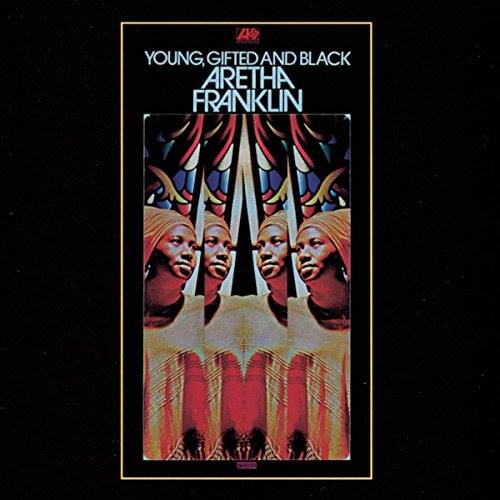
Aretha Franklin - Young, Gifted and Black (1972)

“Young, Gifted and Black” by Aretha Franklin (1972)

Release Date: January 24, 1972
Produced by Tom Dowd, Arif Mardin, Jerry Wexler
Genre: R&B, Soul, Southern Soul
Label: Atlantic
Chart Positions: #11 (US), #53 (Australia)
Certifications: Gold (US)

Singles: “Border Song (Wholly Moses)” #37 (US), #35 (Canada), “Rock Steady” #9 (US), #4 (Canada), #44 (Germany), “Oh Me Oh My (I’m A Fool For You Baby)”(b-side) #73 (US, Canada), “Day Dreaming” #5 (US), #9 (Canada), “All The King’s Horses” #26 (US), #70 (Canada), “April Fools” (b-side)

Young, Gifted and Black is the twentieth studio album by American singer Aretha Franklin, Released on January 24, 1972 by Atlantic Records. The album is Top 10 Gold-certified and won the 1972 Grammy Award for Best Female R&B Vocal Performance of the year. It takes its title from the 1958 Nina Simone song "To Be Young, Gifted and Black."


Aretha Franklin released eleven studio album during the 1970s, “Young, Gifted and Black” was her most successful of the decade as well as producing the most hit singles. In the whole of Aretha’s recorded output, the album remains one of her finest efforts. It was cutting edge for the day with it’s blending of Gospel, jazz, funk and R&B creating a sound and style that rang true to the heart of Black-Oriented Radio of the 70s. But the album struck more than just the BOR listeners. It hit with the hippie movement of the time as well as with the college-age generation. This was an album that spoke to many parts of the American culture. It’s not even so much because the songs are about protest or anguish because it is an album full of love songs, but it was the title of the album that struck a chord in many. Many people of the counter-culture were embracing the thought that being gifted and exceptional belongs to all factions of the US population. The title track says it all with its opening lyrics “To be young, gifted and black. Oh, what a lovely and precious thing.” Nina Simone (who wrote the song) followed that line with her cry to the world, “Open your heart is all I need.” This song was a cry for acceptance and love, pure and simple.

“Young, Gifted and Black” is an album full of highlights. Each song builds upon the previous. Quite honestly an album that merits play from beginning to end. Recorded over a seven-month period in 1970 and 1971, "Young Gifted And Black" captures Aretha Franklin at the peak of her artistic and commercial powers. Aretha Franklin was in her prime here, not only in terms of voice but also in terms of confidence -- you can just feel her exuding her status as the best of the best. The album represented a transitional period for Aretha, she was moving from her 60s R&B style to a more gentle soul sound, one could call her “smooth grooves” period. Earlier diehard fans may not have been keen to the idea initially but soon grew to love the new outlook from Aretha.

The album was like a who’s who of popular R&B, soul, jazz and pop music of the time including such luminaries as Billy Preston, Donny Hathway, Dr. John, Hubert Laws and Eric Gale. Aretha’s sisters Carolyn Franklin and Erma Franklin performed backing vocals for the album.

The first single, which was released a full year and two months before the album was an inspirational cover of Elton John’s “Border Song (Wholly Moses).” Franklin took the song to #37 in the US and #35 in Canada.

The album’s second single “Rock Steady” was originally released in February 1971 on the Criteria record label. It was later re-released in October 1971 on Atlantic Records and became a top ten ht reaching US #9 (as well as #2 on the R&B charts). Aretha Franklin wrote the uptempo funk song which was made all the more poignant with Donny Hathaway's swinging organ. The b-side “Oh Me Oh My (I’m A Fool For You Baby)” charted due to heavy airplay on R&B radio stations and reached #73 on the pop charts and #9 on the R&B charts.

The third single is one that many consider being the album’s highlight, “Day Dreaming,” another Aretha Franklin original composition reached #5 on the US pop chart as well as #1 on the R&B chart. The song achieved a rare feat for Franklin in that it was also a hit on the Easy Listening chart reaching #11. The song sold more than a million copies and was certified Gold by the RIAA (“Rock Steady” was also agold-certifiedd hit). The legendary Natalie Cole recorded “Day Dreaming” and was her last single release before her untimely passing. Corinne Bailey Rae also recorded the song which showed up on her debut album from 2006 as a bonus track.

"Day Dreaming"

The fourth and last single from the album is “All The King’s Horses” another Franklin original composition. This one reached #26 on the pop charts and #7 on the R&B charts. The b-side “April Fools” (A Burt Bacharach/Hal David tune) received a small amount of airplay.

In total five songs from “Young, Gifted and Black” charted on the US singles chart.

Nina Simone and poet Weldon Irvine, who contributed the lyrics, wrote the title track “To Be Young, Gifted and Black”. Simone told Irvine she wanted lyrics that "will make black children all over the world feel good about themselves forever." Franklin never released the song as a single but it did receive it’s fair share of airplay in the early 70s and has become one of Aretha's best known recordings. Aretha started the song out slow with a deliberate pace of a traditional spiritual, and rises to triumphant highs punctuated with dramatic stops and starts. The song is accented in a crescendo of church choir celebration. Aretha knew this song had a meaning deeper than the others on the album. Nina Simone wrote the song based on a stage play named "To Be Young, Gifted and Black," which was written in tribute to Lorraine Hansberry's writing and poetry. Hansberry is best known for her 1957 play "A Raisin in the Sun," the story of a black family living under racial segregation in Chicago that tries to better themselves after an insurance payout following the death of the father.

Franklin’s soulful cover of the Beatles’ “The reinvented Long and Winding Road” features Beatles sideman Billy Preston on the organ. Aretha put a bit of a funk twist to her recording of the Delfonics’ “(Didn’t I) Blow You Mind.”

Aretha Franklin (1972)


ARETHA FRANKLIN

Thursday, May 11, 2017

Commodores - Hot On The Tracks (1976)

“Hot On The Tracks” by Commodores (1976)

Release Date: June 1976
Produced by James Anthony Carmichael and Commodores
Genre: R&B, Soul, Funk
Label: Motown
Chart Positions: #12 (US), #28 (Canada), #39 (New Zealand)
Certifications: N/A

Singles: “Just To Be Close To You” #7 (US), #12 (Canada), #62 (UK), “Come Inside,” “Let’s Get Started,” “Fancy Dancer” #39 (US), #2 (France), #65 (Canada)

Hot on the Tracks is the fourth studio album by the Commodores, released by Motown Records in 1976. It includes the Top Ten single "Just to Be Close to You". The album was the band's first to top the R&B albums chart, where it stayed for six non-consecutive weeks, and peaked at number twelve on the pop albums chart.


Song after song this album never strays from its focus of funk and R&B jams. Several songs groove with a tight dance beat that gets you movin’. This was their last album that was pure funk and soul.

This was Commodores' last album true funk and soul album before taking the complete dive in pop and adult contemporary sound such as the classics "Easy" and "Three Times A Lady." "Hot On The Tracks" has a wonderful tight quality - never slick or too smooth, but just nicely put together - commercial, but not so much that it loses it's soul. It's a mixture of funk and sweet soul, done with a focused well crafted approach, and enough of a blend of the two style to keep things interesting.

Just To Be Close To You (1976)

The first single “Just To Be Close To You” was Commodores’ second Top Ten hit hot on the heels of “Sweet Love.” "Just to Be Close to You," initially met with strong resistance from pop radio stations. The song stayed at number one on the R&B chart for two weeks, and reached number seven on the US singles chart in the fall of 1976. The second single, a great funk groove, “Come Inside” failed to chart though continued the reputation they built on delivering heavy jams blended with soulful vocal harmonies. “Let’s Get Started,” the album’s third single reached #3 on the US Dance charts bringing a great dance jam to the table. The hard stompin’ guitar led jam; “Fancy Dancer” was the fourth and final single from the album. The song soared to the Top 40 reaching US #39 and #2 in France.

Commodores (1976)


COMMODORES

Thursday, May 4, 2017

Gladys Knight and The Pips - Neither One Of Us (1973)

“Neither One Of Us” by Gladys Knight and the Pips (1973)

Release Date: March 1973
Produced by Joe Porter, Johnny Bristol, Clay McMurray, Nick Zesses, Dino Fekaris and Hal Davis
Genre: R&B, Soul, Pop
Label: Soul Records (Motown)
Chart Positions: #9 (US)
Certifications: N/A

Singles: “Neither One Of Us” #2 (US), #5 (Brazil), #9 (France), #11 (Canada), #31 (UK), “Daddy Could Swear, I Declare” #19 (US)

“Neither One Of Us” is Gladys Knight and the Pips ninth studio album and their first to make it into the US Top Ten. The Soul Records label released the album shortly after the group left the label for Buddah Records while the title track was rising up the charts.


Two singles were released from the album including the title track “Neither One Of Us,” the song rose to #2 in the US and was a hit in various parts of the world including France, Brazil, Canada and the UK. The song also topped the US R&B charts for four weeks, their fourth of ten to top the chart. It was preceded by the O’Jays’ “Love Train” and followed by The Temptations’ “Masterpiece.” “Neither One Of Us” was written by Jim Weatherly who also wrote “Midnight Train To Georgia” and “Best Thing That Ever Happened To Me” both hits for Gladys and the Pips. In March 1974, at the Grammy Awards ceremony, Gladys Knight & The Pips won their first Grammy Award for Best Pop Vocal Performance by a Duo or Group for "Neither One of Us (Wants To Say Goodbye)." That same night, they won a second Grammy for Best R&B Vocal Performance by a Duo or Group for "Midnight Train to Georgia".

Neither One Of Us

The second single “Daddy Could Swear, I Declare” was a minor hit reaching US #19 and #2 on the US R&B chart.

The album contains a dusky and smoky slower soul ballad rendition of Stevie Wonder’s “For Once In My Life.”

Famed songwriter, arranger, musician Michael O'Martian composed the musical arrangement for the tracks "Who Is She" and "Neither One Of Us."

Gladys Knight and The Pips (1973)


GLADYS KNIGHT AND THE PIPS